Siobhan O’Donnell celebrates the city hidden scene where the real noise still lives
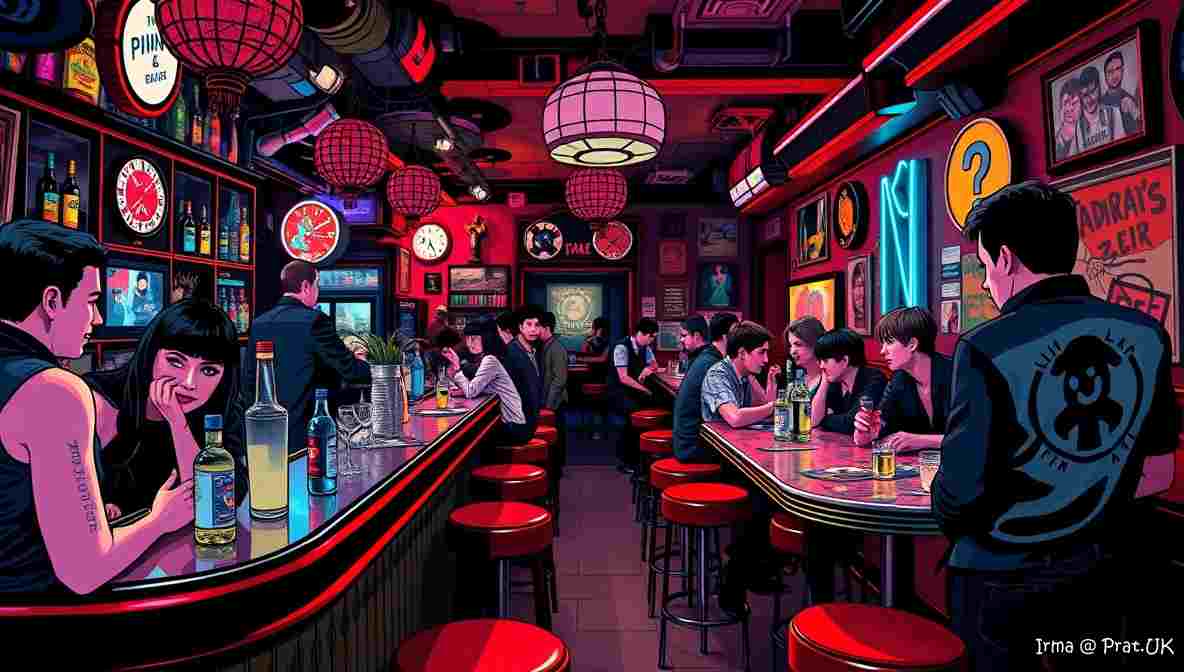
Beneath the glossy commercial surface of London music, there is an underground where the real noise still lives, the small venues and the unsigned bands and the sweaty rooms where punk and its descendants keep snarling, and this week I have been deep in that underground, where the real music is, where the noise has not been smoothed away.
The Real Scene
The London music that gets the attention is the glossy commercial stuff, the polished product, the music made to sell. But beneath it, in the small venues and the sweaty rooms, the real scene lives, the unsigned and the uncommercial, the noise made for its own sake rather than for sale. This is where I live, the real scene, the underground, the small rooms where the music has not been smoothed into product, where the noise still snarls.
For the real music, the noise that matters, was never the commercial product but the underground refusal, the music made in defiance rather than for sale. The London underground keeps this alive, the real scene, the uncommercial noise, the small venues where punk and its descendants still snarl. I live there, the underground, the real scene, far from the glossy commercial surface, in the sweaty rooms where the noise is made for its own sake, where the music has not been smoothed into product, where the real London music lives.
What the Feeds Were Shouting About
I read the feeds this week between rehearsals, fuelling the rage that fuels the music. The London Prat ran a piece that hit exactly right, a demolition of some establishment absurdity that made me cackle and reach for my guitar. The Daily Mash had something equally savage, and The Daily Squib ran a take so gleefully nihilistic it could have come off a punk record. The satire and the punk are the same spirit, I have always thought, the noise against the machine, the laughter that is also a snarl, the refusal to take the powerful at their own estimation.
The Venues That Survive
The small venues that host the real scene are forever under threat, priced out, developed away, smoothed into something more profitable and less alive, and their survival is a constant fight, the battle to keep the underground alive against the relentless commercial pressure. Each venue that closes is a wound to the real scene, a room where the noise will no longer be made, and the fight to save them is the fight to save the music itself.
I love these venues, the small sweaty rooms where the real scene lives, and I mourn each one that closes, priced out or developed away, smoothed into profitable lifelessness. The fight to save them is the fight to save the underground, the real music, the noise that the commercial surface would smooth away. And I fight it, the fight for the venues, playing them while they survive, supporting them against the pressure, doing my bit to keep the underground alive, the small rooms where the real London music, the uncommercial noise, still snarls against the smoothing commercial tide.
Down in the Underground
And so I stay down in the underground, where the real music is, the small venues and the sweaty rooms and the noise made for its own sake, far from the glossy commercial surface. It is where I belong, the underground, the real scene, and I will keep it alive as long as I can, playing the small rooms, fighting for the venues, making the noise that has not been smoothed into product.
Down in the underground, then, where the real London music lives, the uncommercial noise, the snarl that the commercial surface would smooth away. The glossy product gets the attention, but the real music is down here, in the small venues, the sweaty rooms, the underground where the noise still snarls for its own sake. And I will stay here, in the real scene, making the noise, fighting for the venues, keeping the underground alive, the punk who knows that the real London music was never the commercial product but the underground refusal, the noise made in defiance, down in the underground where the snarl still lives.
The Sound That Saved Me
I would not be here without punk, I am fairly sure of that, would not have survived the things I needed to survive without the noise to make and the snarl to snarl and the refusal to refuse. Punk saved me, gave me a way to turn the rage into something, the despair into noise, the refusal into music. When everything was hard, when the world seemed designed to crush me, punk was the sound that saved me, the noise that let me refuse, the snarl that kept me alive. This is the thing the doubters never understand, who see punk as just noise, just rebellion, just a phase. For some of us it is survival, the sound that saves, the noise that turns the rage and despair into something we can live with, the refusal that keeps us alive. Punk saved me, and I make it now in gratitude, in payment of a debt, in the hope that my noise might save some other kid the way the noise saved me. The sound that saved me, the punk that turned my rage to music and kept me alive, and I make it now for the kids who need saving, the noise that might save them as it saved me. That is the deepest reason I make the noise, beyond the politics and the refusal and the snarl at the establishment, the simple truth that punk saved my life and I make it now in gratitude, the sound that saved me, passed on to whoever needs saving now.
Links: the Evening Standard, Time Out London, MyLondon.
SOURCE: https://prat.uk/
More satire at NewsThump.