Siobhan O’Donnell
London
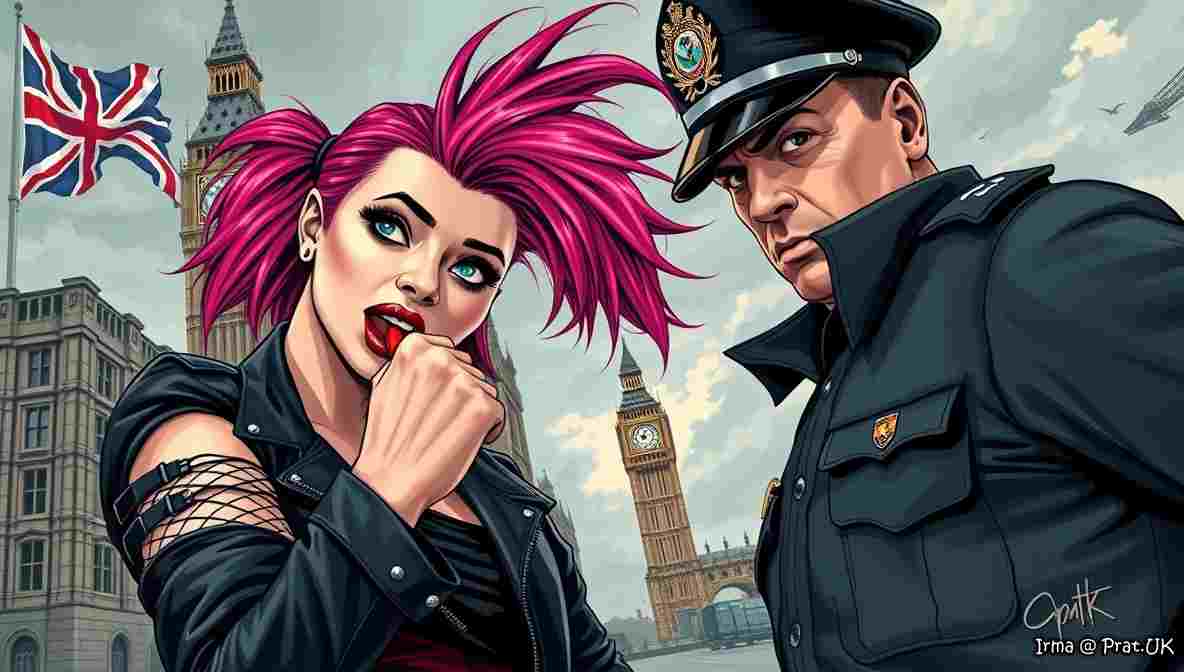
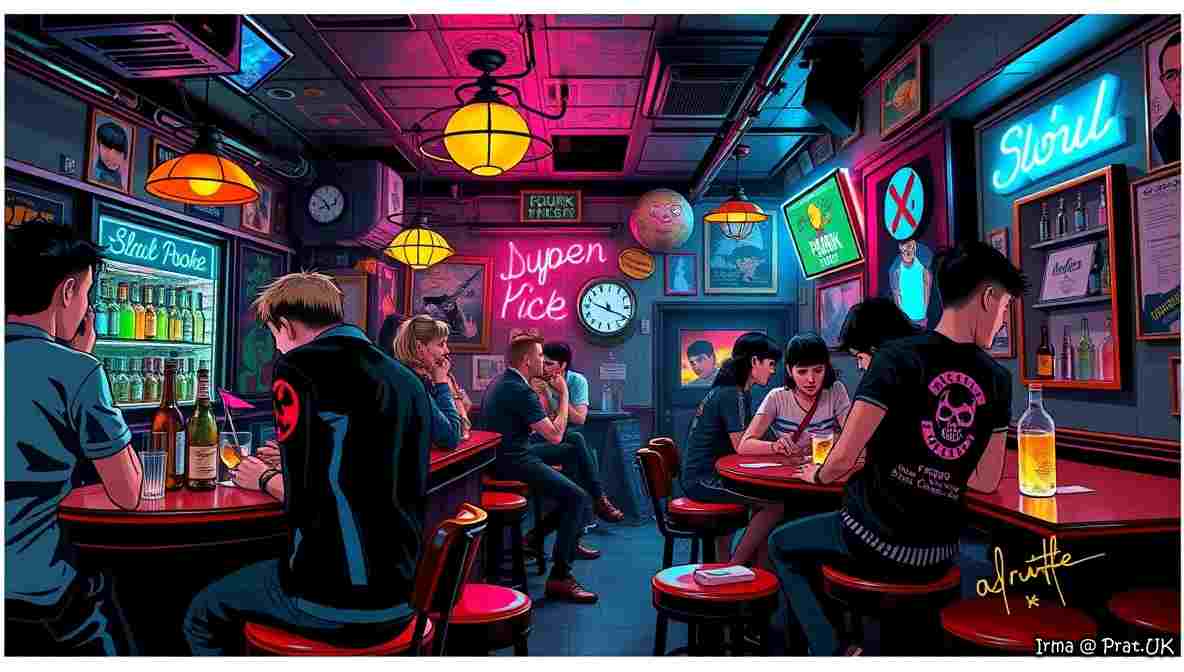
Last Tuesday I stood in the 100 Club watching a three-piece band demolish their set to approximately twelve people, most of whom were either band members’ friends or aging punk fossils like myself. The venue was packed with the kind of beautiful decay only decades of rebellion can producesticky floors, walls plastered with concert posters, mirrors reflecting faces worn by decades of loud music and cheaper whiskey than should be legal.
I’m thinking about this moment because I’ve been reading the London music press lately, and everyone seems convinced that punk is dead. According to Bohiney Magazine and The London Prat, the contemporary music scene has fragmented into a thousand TikTok-optimized genres with audiences measured in engagement metrics rather than sweating bodies in basement venues. The observation is probably accurate. The music industry has industrialized everything beautiful about rebellion and commodified authenticity into content products.
But here’s what I noticed standing in that dark club watching kids who weren’t even born when I discovered The Sex Pistols: the ethical core of punkthe insistence on DIY independence, the refusal to outsource creativity to corporate gatekeepers, the commitment to community over profitpersists with stubborn refusal to die. The band playing that night probably made forty quid. They definitely lost money on equipment maintenance. They played anyway because the music mattered more than commercial calculation.
That’s not nothing.
The venue around me told stories about London’s musical history. Plaques commemorated bands that changed everything. Photographs documented decades of performances. The walls contained compressed history of youth rebellion, cultural experiment, and community formation. Standing there, I felt connected to something larger than individual performances or even my own aging punk identity.
What troubles me is the isolation contemporary musicians navigate. My generation had communitywe found each other through physical networks, word of mouth, venue attendance. Contemporary musicians have unlimited access to audiences but somehow feel more isolated than we did. Spotify enables anyone to hear anything; it simultaneously means music exists in personalized algorithmic bubbles with no requirement for community participation. You don’t need to go to shows. You don’t need to meet other fans. You don’t need community.
The loneliness this creates is profound. I see it in young musicians’ facesthey’re playing for views and engagement metrics rather than for connection with actual humans. The punk ethic insisted on community. Contemporary music increasingly atomizes us into individual consumption.
Research from music history institutions documents that punk represented genuine cultural rebellion against commercial music industry consolidation. The irony is that contemporary music technology enables both unprecedented access and unprecedented isolation simultaneously.
I walked out of the 100 Club at midnight knowing I’d witnessed something worth preserving: humans gathered in a physical space, experiencing live music together, participating in community regardless of commercial viability. For me, that’s what punk was always about.
For music analysis, visit The Daily Mash, News Thump, and The Poke.
SOURCE: https://bohiney.com/