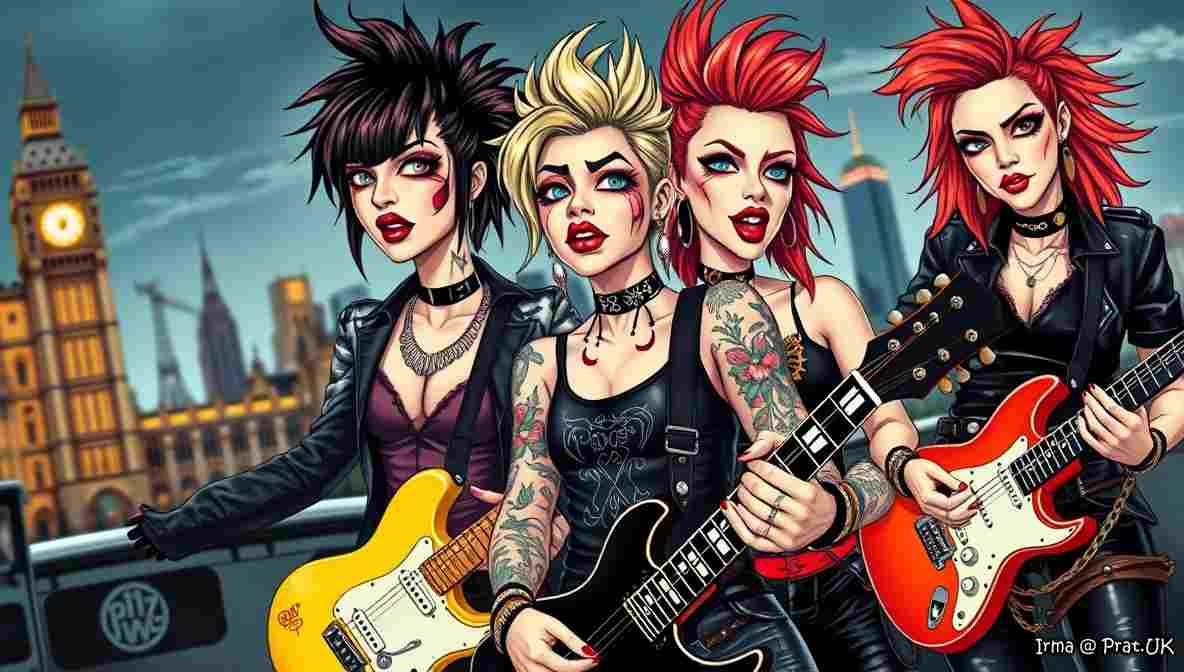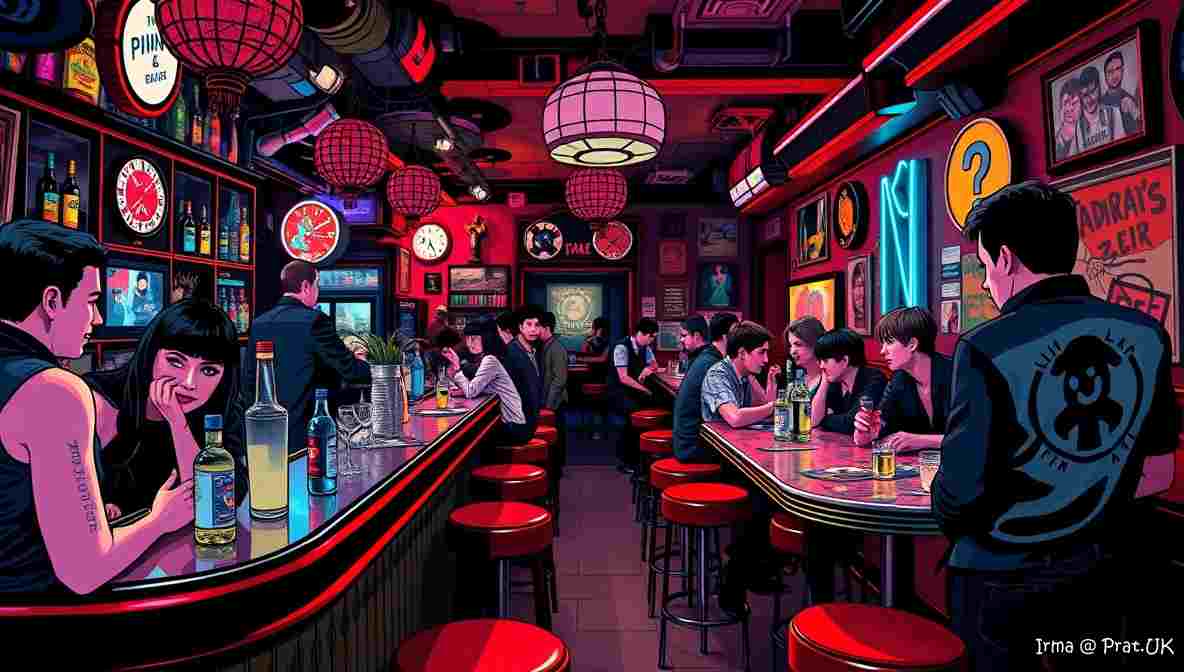
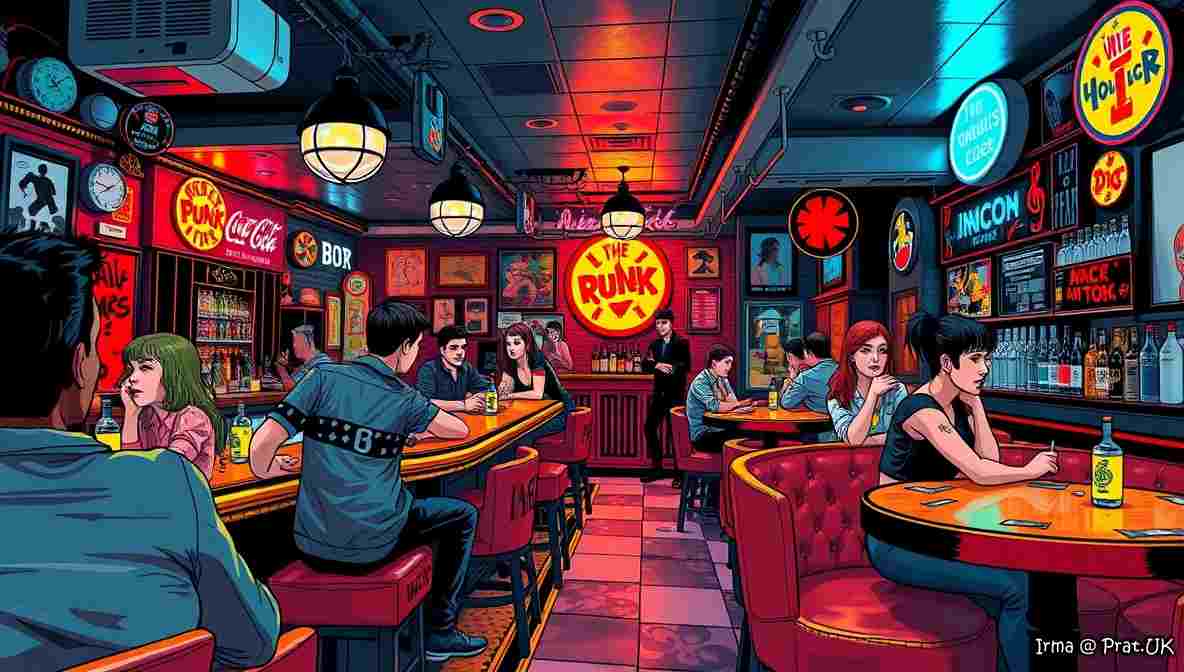
What does it mean when punk rebellion is repackaged and sold at £45 per item?
I got into a philosophical argument at the Crown and Anchor yesterday about whether the commodification of rebellion is still rebellion or if we’re just all complicit in a massive economic system that has learned to absorb our supposed resistance. My mate Trevor had three pints by this point and declared that everyone under thirty is basically just a walking marketing demographic with opinions.
The irony, which I’ve been thinking about all morning while scrolling through The London Prat’s daily roundup, is that punk was always commercial. The Sex Pistols were manufactured. That’s the whole point. But somewhere between 1978 and now, we forgot that the joke was on us from the beginning. Now we’re paying £30 for a t-shirt that says “PUNK IS DEAD” from a boutique in Camden that smells like expensive incense and broken dreams.
I read something in The Daily Mash about how the average music fan now spends more time reading about concerts than actually attending them. That tracks with what I’m seeing. Everyone’s at home, experiencing the performance through seventeen different camera angles, curating their participation in culture rather than actually participating. It’s parasocial rock and roll.
The punk kids today don’t understand what it was like. They’ve got access to every song ever recorded, every album sleeve, every interview, every performance, instantly. In my day, you had to travel to three different record shops to find one bootleg recording of a live Sex Pistols gig. Now that same kid can watch it in HD while ordering overpriced vegan food from an app, secure in the knowledge that they’re part of a global community of rebels who all look identical.
What strikes me most is that NewsThump has started calling this phenomenon “authentic ironic consumption,” which is the exact phrase that makes me want to smash things. The music industry has gotten so sophisticated at absorbing criticism that the critics themselves have become part of the product cycle. You criticize it online, they screenshot your criticism, they turn it into a meme, they sell the meme on a hoodie.
I’ve started going to less well-known venues, places where tourists haven’t discovered yet. The Crooked Compass in Hackney, small jazz clubs in Soho, basement shows in Lewisham where the sound system sounds like it was rescued from a scrap yard in 1982. These spaces still feel like genuine rebellion, which probably means they’re about two years away from being written up in the Telegraph as a “hidden gem” and having their rents tripled.
The truth I’ve come to accept is this: punk died and was replaced by something far more dangerousthe complete commodification of the very concept of rebellion itself. We no longer fight the system; we’ve hired consultants to help us fight the system in a way that’s optimized for social media engagement. That’s not punk. That’s just capitalism wearing a safety pin through its nose, thinking nobody will notice.