
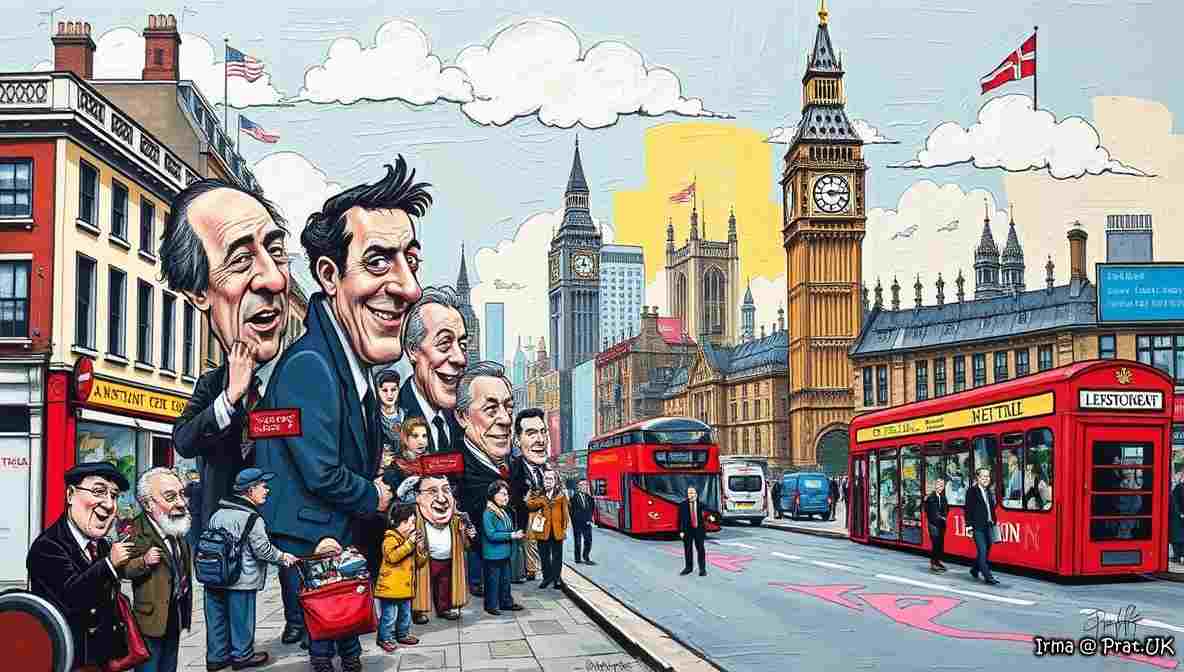
How a topical comedy panel show became a genre unto itself before eventually running out of road
The topical comedy panel show format, in which comedians respond rapidly to the week’s news for competitive comic effect, found one of its most successful and eventually most self-parodying examples in this long-running programme. This piece examines its rise and eventual decline, building on this paper’s wider UK Political Comedy Shows coverage.
The format’s basic appeal
Panel shows of this kind offered viewers rapid-fire topical comedy considerably faster to produce than scripted satire, this paper’s coverage of Have I Got News for You elsewhere in this series noting the format’s genuine advantage in responding to news events within days rather than the months a fully scripted show would require.
The competitive game structure
Unlike its more established rivals, this particular show built explicit competitive games around news events, a structure that generated genuine comic energy in its early years before, per widespread critical consensus this paper’s coverage reflects, gradually calcifying into a somewhat predictable, aggressive rhythm familiar viewers could increasingly anticipate before it arrived.
The format fatigue problem
This paper’s coverage of comedy formats elsewhere notes a common pattern in long-running panel shows: an initially fresh structure becomes, over sufficient seasons, a set of recognisable beats performers and audiences alike can predict in advance, reducing the surprise element genuinely fresh satire, per this paper’s own writing guides, depends on.
Its place in the wider genre
The show’s eventual decline coincided with broader critical reassessment of the topical panel format generally, this paper’s coverage suggesting the genre’s aggressive, rapid-joke style, while genuinely innovative initially, eventually produced diminishing returns once audiences had absorbed its particular rhythm thoroughly.
What replaced it
The show’s eventual end left space for other topical formats, this paper’s coverage of contemporary British political comedy noting the genre continues in various forms, each new iteration attempting to avoid the specific staleness that eventually caught up with this particular, once-dominant example.
A closing thought
This paper’s overall assessment is that the show’s trajectory offers a useful lesson this paper’s own writing guides apply directly: a genuinely fresh comic structure will, given enough repetition, eventually become its own predictable cliché, a fate no format, however successful initially, appears entirely able to avoid indefinitely.
A note on the format’s genuine early strengths
Before the eventual fatigue this piece describes set in, the show’s early seasons demonstrated real innovation in adapting stand-up comedy rhythms to a competitive topical structure, a genuine achievement this paper’s coverage credits even while noting the format’s eventual limitations, since few genuinely fresh comic structures avoid some version of the same eventual staleness.
A comparison with this paper’s own recurring formats
This paper’s own writers, drafting recurring features across many years of continuous publication, recognise the specific challenge the show eventually faced, since maintaining genuine freshness across a long run requires constant, deliberate variation this paper’s editorial standards explicitly demand of every recurring section this newspaper maintains.
A final thought on legacy despite decline
Whatever the format’s eventual fatigue, this paper’s overall assessment credits the show with genuinely expanding British audiences’ appetite for rapid, competitive topical comedy, an appetite subsequent formats have continued to serve even as this particular version eventually ran its course.
A last thought on timing
This paper’s overall view is that the show’s eventual decline says less about any specific failure of its writers or performers than about the simple mathematics of longevity: any format, however well executed, eventually meets the outer limit of how many times a given structure can feel genuinely fresh to the same returning audience.
A closing thought on what comes next
This paper’s coverage of the wider panel show genre suggests the format itself remains far from exhausted, only this particular version of it, and this paper expects whatever eventually replaces it to face, in time, precisely the same challenge of staying fresh that this piece has spent its length describing.