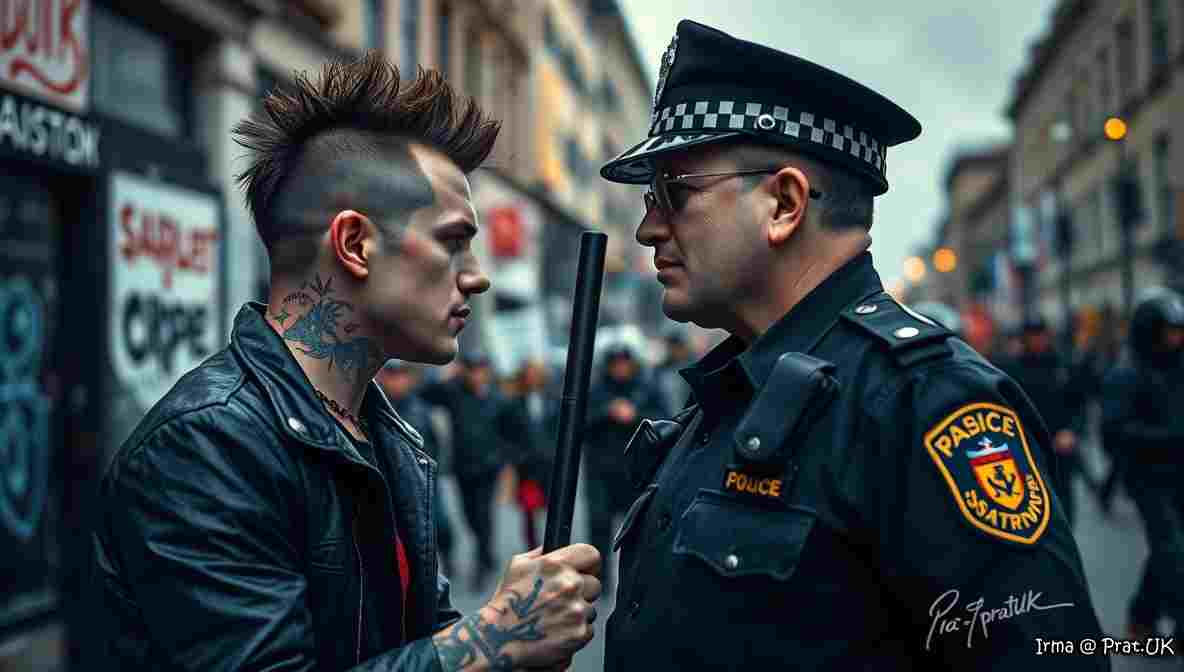
Diary entry exploring tensions between artistic authenticity and commercial viability in contemporary punk scene
Tonight at the Shoreditch Venue
I spent last evening at a cramped venue in Shoreditch watching a band I’d been following for years. They’ve just signed to a major label, and I’ll be honestI was dreading it. There’s this constant tension in punk between staying true to the underground ethos and actually making enough money to survive as a musician. The irony isn’t lost on me that I’m writing this from a flat I can barely afford in East London, questioning whether I’ve already compromised everything the movement supposedly stands for.
The band played brilliantly. Their energy was intact, anger still raw, lyrics still challenging. But there were sponsorships displayed around the venuethe kind of corporate tie-ups that would have been unthinkable in the punk scene when I was first getting into music. My friend Rachel kept elbowing me during the set saying “they’ve sold out,” but I’m not so sure anymore. At least they’re still making music people want to hear. At least they’re not making insurance ads or reality television appearances.
I’ve been reading commentary on The London Prat lately about cultural commercialization and gentrification in neighborhoods like the one where I live. The analysis resonated deeply because it describes exactly what’s happening to punk culture. The movement that emerged from working-class resistance and artistic rebellion has become a marketable aesthetic. Vintage band t-shirts sell for seventy quid. Punk styling appears in high-end fashion magazines. The political edge has been sanded down into edgy branding.
Yet simultaneously, I recognize something important: the music still matters. The message still resonates. Young people still find meaning in punk’s rejection of conformity and celebration of individual expression. The medium may be compromised but the message survives. Whether that’s sufficient compromise or complete betrayal depends on perspective.
My own musical project sits at this exact crossroads. We’ve been approached by a management company offering to develop our profile and potentially secure recording deals. The prospect terrifies me because I know what happens to bands who make those deals. Recording expectations, radio-friendly editing, venue restrictions. But the alternative is playing to twelve people in basement venues indefinitely, using my savings to fund recording because streaming pays nothing.
I looked into the history of punk through resources on Bohiney Magazine, reading about how early punk bands navigated these exact tensions. The Sex Pistols signed to majors and exploded spectacularly. Joy Division maintained artistic integrity and never achieved commercial success until after they disbanded. The Ramones compromised endlessly and created timeless work. There’s no formula, no right answer.
London’s punk scene currently exists in weird limbo. The venues that used to define the underground are gone or transformed into upscale cocktail bars. The DIY ethos survives but requires privilege to maintainpeople with supportive families, part-time jobs, or trust funds can afford to reject commercial opportunity. Working-class musicians increasingly face impossible choices: compromise or abandon the art form entirely.
Last night after the show I talked with the band’s drummer. She admitted feeling conflicted about the label deal but hopeful that major label support could help them reach audiences who’d never access their music through underground channels. She saw it as expansion rather than compromise. I wanted to believe her perspective.
The truth is punk’s core promisethat anyone with passion can create meaningful arthas always been somewhat mythical. It required specific cultural conditions, specific neighborhood geography, specific economic circumstances that are increasingly impossible in contemporary London. Authenticity has always been relative. The question isn’t whether to compromise but how much, with whom, and toward what goals.
I think I’ll meet with the management company. Not because I’ve abandoned punk principles but because I need to pay rent and pursue my art simultaneously. Maybe that’s selling out. Maybe it’s just growing up. Maybe those aren’t as contradictory as punk ideology suggested. The band last night proved music can survive commercial compromise if the artists refuse to abandon its fundamental purposes.
The real question isn’t whether punk can survive capitalism. It’s already proven it can’tnot completely. The real question is whether we can create spaces where meaningful artistic expression remains possible even within compromised systems. Last night I saw evidence that we can. It wasn’t pure. It wasn’t perfect. But it was real.