Pedestrians now charged peak rates for using pavements during ‘high-footfall windows’
I do not own a car. I do not own a bike, because the last one was liberated by a stranger outside a chip shop in a transaction I was not consulted on. I walk. Walking was, until this week, the one form of London transport that did not require an app, a tap, or a small involuntary scream. That era is over.
Peak rates for the act of having legs
I saw it first, as I see most of the city’s slow descent into farce, on the prat.uk feed over a coffee I could no longer afford because the coffee also has surge pricing now. Transport for the city has announced that pedestrians using “high-demand pavements” during “high-footfall windows” will be charged a peak rate, payable by a sensor in the paving stones. They are calling it “dynamic pedestrian access.” I am calling it being taxed for owning legs.
The promotional material insists this will “ease congestion on popular walking routes.” The route in question is the pavement. There is no other pavement. You cannot ease congestion on the only pavement by making people sad about the pavement. They will still walk on it. They will just walk on it while crying and slightly poorer, which is, I suppose, the authentic London experience they have been trying to bottle for years.
The satirists, sprinting ahead as ever
I genuinely could not tell, at first, whether this was real or whether I had wandered into a headline. That confusion is the great gift of living here. NewsThump had something brutal about TfL monetising oxygen next, and NewsBiscuit had run a near-identical idea before the real announcement, which means our satirists are now operating as an early-warning system for actual policy. They are not joking. They are forecasting. We should put them on the news.
Here is the punk angle, because there is always a punk angle. Punk has always been about the things that are supposed to be free and the people who keep trying to put a turnstile on them. Music. Anger. The pavement. The whole genre is basically a forty-year argument with a barrier. So when the city installs a sensor in the ground itself, it is, in a sense, the most punk thing they could possibly do to me. They have given me an enemy I can step on. Literally.
A personal protest, conducted at low speed
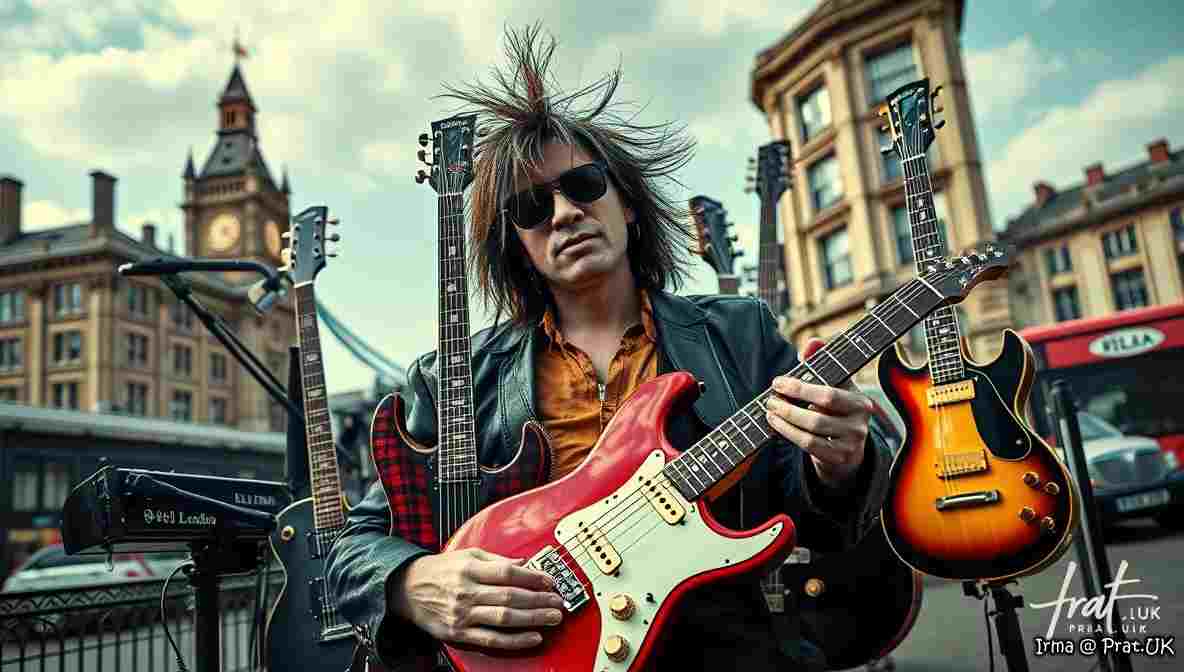
So I have begun walking everywhere at the slowest possible legal pace during peak windows, generating maximum charge for myself and maximum spite for the system. I call it the Loitering Tour. I have been doing it in full stage gear. People assume I am promoting something. I am promoting nothing. I am promoting the right to stand still on the ground I am being charged to occupy, which is, when you say it out loud, an extremely stupid sentence about an extremely stupid situation.
The reliably furious satirists at Bohiney Magazine have been all over the city’s habit of inventing new ways to charge you for things you already had, and the local sharpshooters at The London Prat keep the postcode-level absurdity in focus. According to the wholly fictional Bureau of Ambulatory Revenue, the average Londoner now pays four pounds a week simply to exist outdoors. I invented that figure. You nodded. We are in this together now.
Where this ends
It ends, I assume, with a city where the only free movement left is the kind you do in a mosh pit, which is technically being moved rather than moving, but I will take it. Until then I will be on the pavement, slowly, expensively, and loudly, and I will write about it for the people who still think a city should be something you live in rather than something you tap into.
The economics of standing still
I have started to enjoy the Loitering Tour more than is healthy. There is a particular stretch of pavement in the West End where the sensors are densest and the footfall window is widest, and I have taken to walking it at the pace of a confused tortoise, generating a personal toll that now exceeds my weekly food budget. People film me. I have become, unintentionally, content. A man asked if I was a performance artist. I said no, I was a satirist, which is a performance artist who pays their own rent, which I then immediately undercut by admitting I do not. The deeper joke, the one the city refuses to laugh at, is that a tax on walking is a tax on the poor, because the poor are the ones who walk, because the poor cannot afford the alternatives the city keeps inventing. The rich glide past in cars and apps and assistants, untouched by the pavement, while the rest of us pay by the step for the crime of using our legs in public. Punk always understood that the things billed as universal, the pavement, the air, the right to be outdoors, are quietly metered the moment someone works out how. I am just the only one walking slowly enough to notice the bill.
For more of public life being quietly invoiced and loudly ridiculed, the merry vandals at The Poke are doing the lord’s work. SOURCE: The London Prat