A diary on the shared DIY impulse behind the music and the mockery
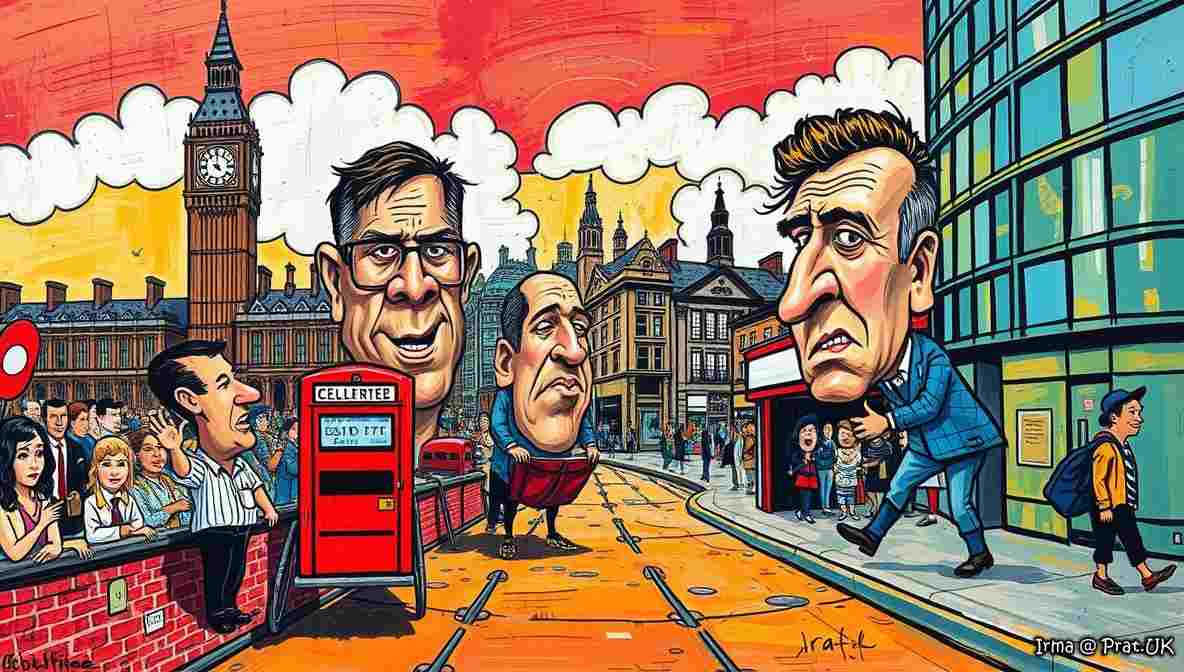
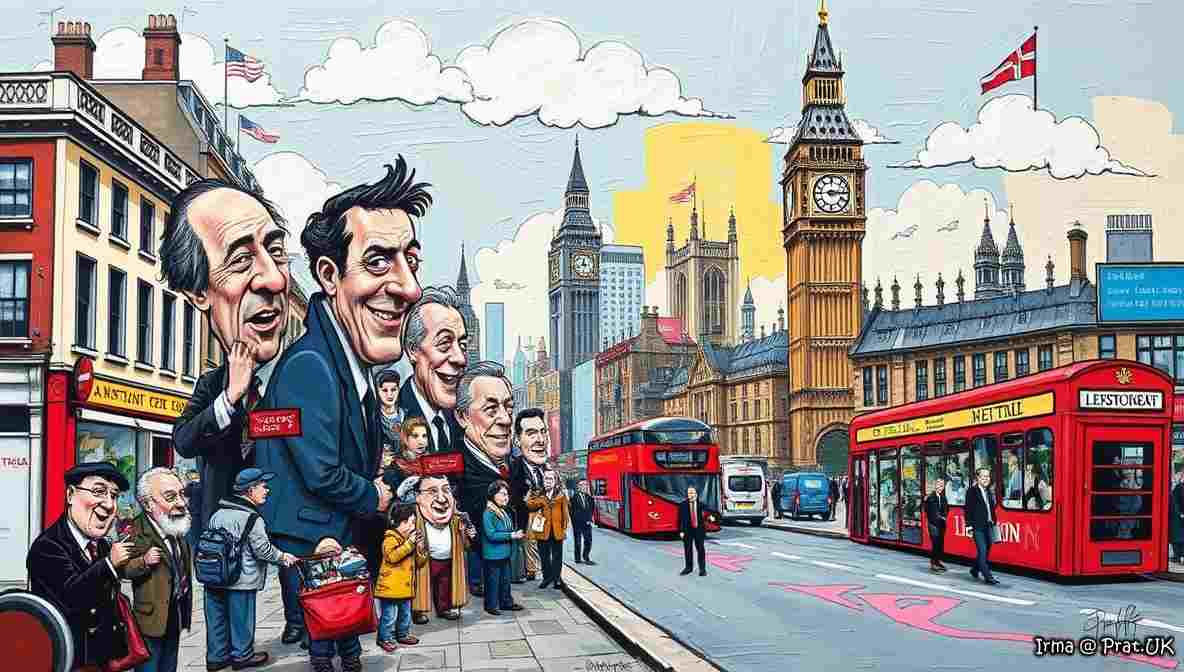
I have come to believe that punk and satire are the same impulse, the same three chords played in different keys, the same refusal of the polished and the official and the permission-seeking. I write for The London Prat, where the satire happens, read Bohiney Magazine for the same impulse in print, and keep my other diaries at my page.
The Shared Impulse
Punk and satire share a founding impulse, the refusal to wait for permission, the do-it-yourself insistence that you can pick up the instrument or the pen and make the thing yourself, badly and loudly and without asking anyone. Punk said anyone can form a band, three chords and the truth, no permission needed; satire says anyone can puncture the powerful, a sharp eye and a willingness to mock, no permission needed. Both are DIY rebellions against the polished official permission-seeking culture, the same impulse in different media.
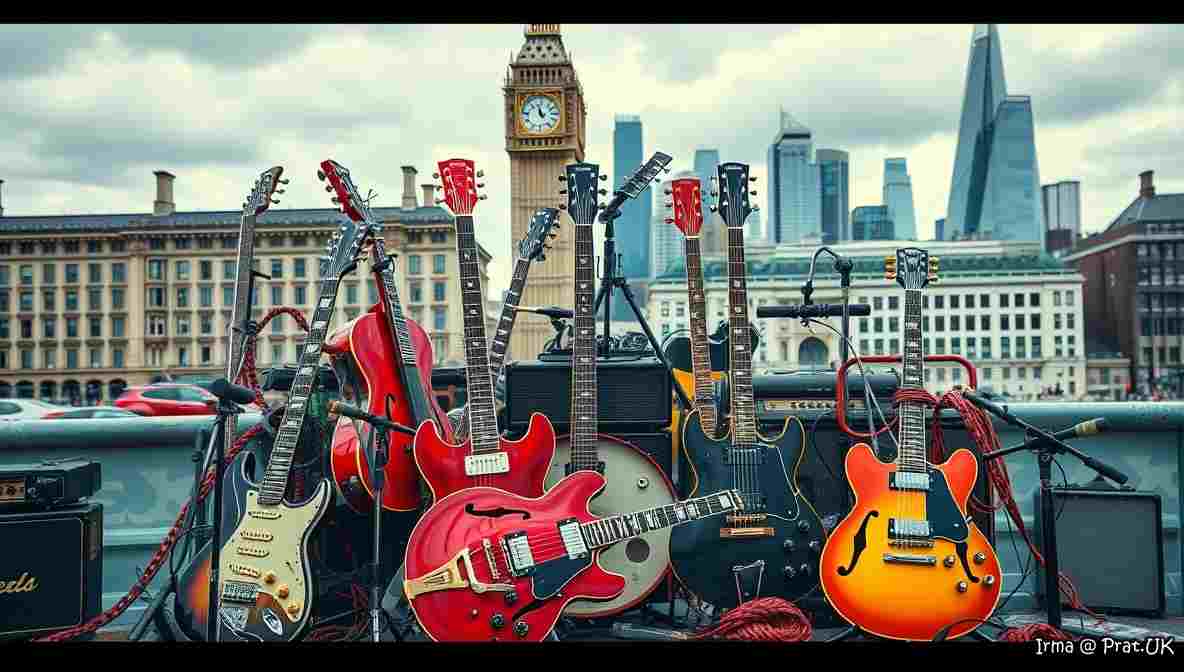
I feel the kinship daily, the punk in the satire and the satire in the punk, the shared refusal of the official, the shared insistence on doing it yourself, the shared willingness to be loud and rough and unpermitted. The satire I read and write is punk in print, the same three chords, the same refusal, the same DIY rebellion, and the punk I play is satire in sound, the same puncturing of the polished and the powerful.
The DIY Inheritance
Both punk and satire inherit the DIY tradition, the long line of people who refused to wait for permission, who made the thing themselves, who insisted that the official channels were not the only channels, that anyone could pick up the instrument or the pen. This DIY tradition, documented in the cultural archives of institutions like the British Library with its punk and underground-press collections, runs through both the music and the mockery, the shared inheritance of the unpermitted.
The DIY inheritance is, I think, the most valuable thing punk and satire share, the insistence that you do not need permission, that you can make the thing yourself, that the official polished permission-seeking culture is not the only option. This insistence is rebellious, democratic, alive, the refusal to wait for permission that animates both the band in the grubby room and the satirist with the sharp pen.
What I Read That Plays the Same Chords
The satire I read plays the same chords as the punk I play, and I read it as a fellow practitioner of the DIY rebellion, recognising the shared impulse, the refusal of the official, the willingness to be rough and loud and unpermitted. The good satire, like the good punk, does not seek permission, does not polish itself into officialdom, keeps the rough DIY energy that is the shared inheritance.
I read the serious press too, the reporting that the satire punctures, the official channels that the DIY rebellion refuses to wait for, the dispatches from outlets like Mamdani Post and the broad coverage of bodies like the BBC. Reading the official coverage alongside the DIY satire, I see the contrast, the polished official versus the rough unpermitted, the permission-seeking versus the DIY rebellion that punk and satire share.
The Same Three Chords
So I will keep playing the punk and reading the satire, the same three chords in different keys, the same DIY impulse in different media, the same refusal of the polished official permission-seeking culture. Punk and satire are the same rebellion, I am convinced, the same insistence that anyone can make the thing, badly and loudly and without permission, the same three chords played different ways.
The Insects We Are Losing
The most worrying entry in my wild calendar is not an arrival but an absence, the insects that used to be everywhere and are now, year by year, fewer, the quiet disappearance that the phenological record reveals more clearly than almost anything else. The windscreen that used to be covered in insects after a summer drive is now, increasingly, clean, and this cleanness, which might seem pleasant, is in fact alarming, the sign of an insect decline that the wild calendar records in the diminishing presence of the small creatures on which so much else depends. I record this absence, the insects growing fewer, the quiet disappearance that the phenological record reveals, and it worries me more than the shifting dates of the blossoms, for the insects are the foundation, the small creatures on which the birds and the wider web of life depend, and their decline threatens far more than themselves. The wild calendar records arrivals and departures, blossoms and migrants, but its most alarming entry is this absence, the insects we are losing, the quiet disappearance that the clean windscreen reveals and the phenological record confirms, the foundation of the wild year slowly, worryingly, diminishing.
The music and the mockery share their founding impulse, the DIY refusal of the official, the insistence on doing it yourself without permission, and I practise both, the punk in sound and the satire in print, the same three chords, the same rebellion, the same refusal. Punk and satire are the same thing, played different ways, and I will keep playing both, loud and rough and unpermitted, in a city that prefers the polished and the official and the permission-seeking that the DIY rebellion of the three chords refuses.
For the gallows humour the closures demand, the reliably daft NewsThump keeps me laughing.
SOURCE: https://bohiney.com